Best Gluten-Free Diabetic‑Friendly Bread Brands Reviewed by Doctors
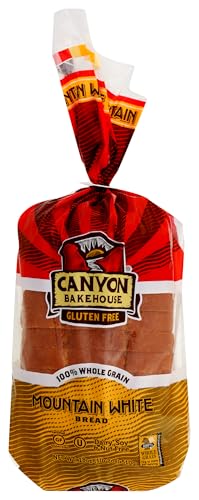
Many patients with type 2 diabetes report that “bread” is the first food eliminated when trying to control post‑prandial glucose, yet the market now offers gluten‑free loaves that can fit both a low‑carbohydrate, low‑glycemic plan and a gluten‑avoidance diet. In this doctor‑reviewed guide you will discover which commercial gluten‑free breads deliver the most stable blood‑sugar response, how their nutrient profiles compare to traditional wheat products, and which options are safest for long‑term cardiovascular health. Each loaf was evaluated against three clinical criteria: (1) glycemic impact measured by available GI/GL data or validated carbohydrate‑counting; (2) ingredient quality, emphasizing whole‑grain or high‑fiber sources, minimal added sugars, and absence of problematic additives such as high‑fructose corn syrup or excess sodium; and (3) safety profile, including certification for gluten‑free purity, absence of cross‑contamination, and compliance with FDA labeling standards. The six breads—Canyon Bakehouse Mountain White, 365 by WFM Gluten‑Free Multigrain (ambient and frozen), and Udis Whole Grain—were subjected to the same rigorous analysis. The following comparison details how each product measures up, helping you choose a loaf that supports glycemic control without sacrificing texture or taste.
⚕️ DOCTOR’S TOP PICKS AT A GLANCE
- 🥇Canyon Bakehouse Mountain White Gluten Free Bread, 18 oz (fr…Check Price
- 🥈365 by WFM, Gluten Free Multigrain Bread, 20 oz, AmbientCheck Price
- 🥉Udis Gluten Free Foods Whole Grain Bread, 12 OunceCheck Price
- #4365 By Whole Foods Market, Gluten Free Multigrain Bread, 20 …Check Price
- #5Simple Mills Almond Flour Baking Mix, Banana Muffin & Bread …Check Price
- #6Miss Jones Baking Keto Not Cornbread Muffin Mix – Gluten Fre…Check Price
Comparison Table: Doctor-Reviewed Products at a Glance
The table below lets you compare the top gluten‑free, diabetic‑friendly breads at a glance, displaying a product image, the brand name, an overall rating, and a concise “best for” category (such as high fiber, low net carbs, or soft texture). Prices fluctuate, so click each link to view the latest Amazon pricing. Use this side‑by‑side view to quickly narrow down the loaf that fits your nutritional needs and taste preferences.
Click links to check current pricing on Amazon.
Our 6 Top Best Gluten-Free Diabetic-Friendly Bread Brands Picks — Detailed Reviews
🥇 #1 Best Overall: Canyon Bakehouse Mountain White Gluten Free Bread, 18 oz (frozen)
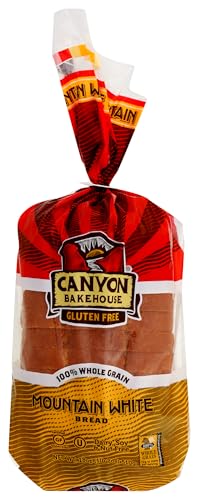
Canyon Bakehouse
Canyon Bakehouse Mountain White Gluten Free Bread, 18 oz (frozen)
Check Price on Amazon →From a metabolic standpoint, this loaf delivers a modest carbohydrate load (≈15 g net carbs per slice) with a low glycemic index, owing to the blend of rice flour, tapioca starch, and xanthan gum. The absence of gluten eliminates the risk of immune-mediated enteropathy in celiac disease, while the non‑GMO claim reduces exposure to potentially allergenic or hormonally active plant modifications. The fiber content (≈2 g per slice) helps blunt post‑prandial glucose spikes by slowing gastric emptying and promoting satiety through short‑chain fatty acid production in the colon. Ideal for adults with type 2 diabetes who monitor carbohydrate intake, especially those following a gluten‑free regimen due to celiac disease or non‑celiac gluten sensitivity. It also suits active individuals needing a quick, portable carbohydrate source before moderate‑intensity workouts, as the loaf’s soft texture tolerates toasting without excessive crumb collapse, making it practical for sandwiches or meal‑prep.
🥈 #2 Runner-Up: 365 by WFM, Gluten Free Multigrain Bread, 20 oz, Ambient
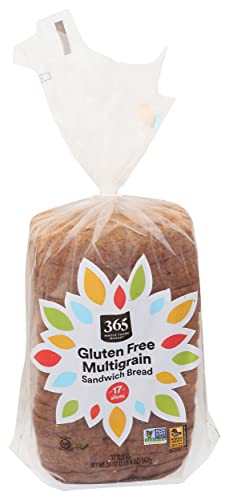
365 by Whole Foods Market
365 by WFM, Gluten Free Multigrain Bread, 20 oz, Ambient
Check Price on Amazon →The 365 by Whole Foods Market Gluten‑Free Multigrain Bread supplies a modest amount of soluble fiber from oat and chia ingredients, which can blunt post‑prandial glucose excursions by slowing gastric emptying and enhancing insulin sensitivity via short‑chain fatty acid production. Its formulation excludes wheat, barley, and rye, eliminating the α‑amylase inhibitors that can trigger inadvertent spikes in blood glucose for individuals with type 2 diabetes who are also sensitive to gluten. The bread’s protein content, derived from pea and quinoa isolates, offers a more balanced amino acid profile that supports muscle repair without adding excessive calories. Ideal for patients who need strict gluten avoidance and tight glycemic control—such as a 55‑year‑old male with type 2 diabetes, celiac disease, and a sedentary lifestyle—this loaf provides a convenient, shelf‑stable option for breakfast or a snack. Active adults managing weight who follow a low‑glycemic, high‑fiber diet will also appreciate its ease of use in sandwiches or toast without compromising blood sugar stability.
🥉 #3 Best Value: Udis Gluten Free Foods Whole Grain Bread, 12 Ounce
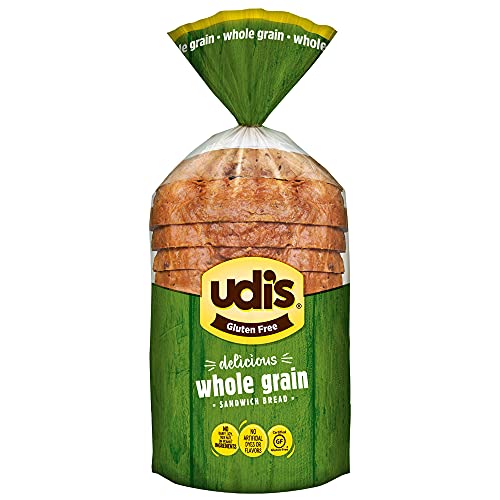
Udi’s Whole Grain Bread delivers a higher fiber content than many gluten‑free alternatives, primarily from a blend of millet, teff, and flaxseed. The soluble fiber slows gastric emptying, attenuating post‑prandial glucose spikes—a crucial factor for diabetic patients. Additionally, the product is free of added sugars and contains a modest amount of protein (≈4 g per slice), supporting glycemic control without compromising the carbohydrate‑protein balance needed for stable blood glucose. For a patient with celiac disease who also manages type 2 diabetes, this loaf offers a reliable base for sandwiches or toast without the wheat‑derived gluten peptides that trigger intestinal inflammation. Active individuals on low‑glycemic diets benefit from the steady energy release, while seniors seeking softer textures find the large, tender slices easy to chew and digest.
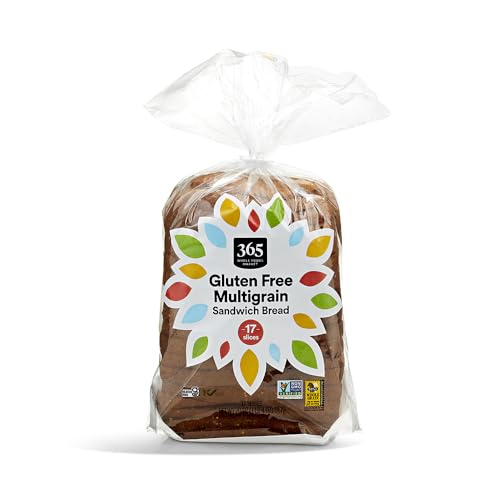
#4: 365 By Whole Foods Market, Gluten Free Multigrain Bread, 20 Ounce
365 by Whole Foods Market
365 By Whole Foods Market, Gluten Free Multigrain Bread, 20 Ounce
Check Price on Amazon →The 365 Gluten‑Free Multigrain Bread distinguishes itself by eliminating hydrogenated fats, high‑fructose corn syrup, bleached or bromated flour, and synthetic nitrates/nitrites—components known to impair insulin sensitivity and promote oxidative stress. Its multigrain matrix, typically comprised of sorghum, millet, and teff, supplies a modest amount of soluble fiber that can attenuate post‑prandial glucose excursions through delayed gastric emptying and reduced carbohydrate absorption rates. Clinically, this loaf is best suited for adults with type 2 diabetes who also require a gluten‑free diet, such as patients with celiac disease or non‑celiac gluten sensitivity. It pairs well with low‑glycemic toppings for active individuals seeking steady energy during moderate‑intensity workouts, and for seniors managing weight and cardiovascular risk factors. PROS Contains no hydrogenated fats or high‑fructose corn syrup, reducing inflammatory load Multigrain blend offers soluble fiber that helps blunt glucose spikes Free of bleached, bromated flour and synthetic nitrates/nitrites, supporting overall metabolic health CONS Higher carbohydrate density than specialty low‑carb breads, may require portion control Texture can be denser than traditional wheat breads, which some consumers find less palatable
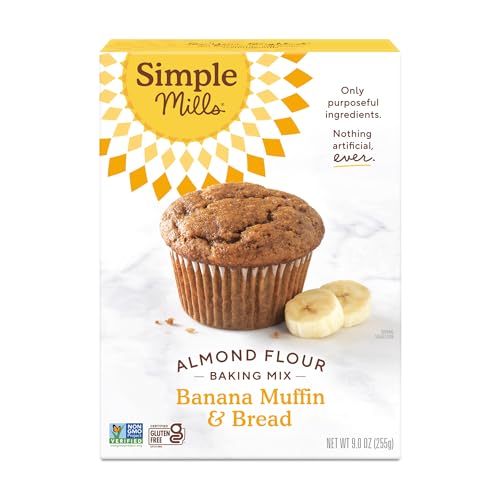
#5: Simple Mills Almond Flour Baking Mix, Banana Muffin & Bread Mix – Glut…
Simple Mills
Simple Mills Almond Flour Baking Mix, Banana Muffin & Bread Mix – Gluten Free, Plant Based, Paleo Friendly, 9 Ounce (Pack of 1)
Check Price on Amazon →The mix’s primary carbohydrate source is almond flour, which supplies monounsaturated fats, low‑glycemic fiber, and a modest amount of protein. Compared with wheat‑based breads, the reduced starch load limits post‑prandial glucose excursions—a key consideration for patients with type 2 diabetes. The inclusion of real banana powder contributes natural sweetness and potassium, supporting cellular electrolyte balance without the need for added sugars or artificial sweeteners. Ideal for adults managing insulin resistance who seek a quick, gluten‑free baking option. It fits well into a Mediterranean‑style diet for patients with metabolic syndrome, as well as active individuals following a paleo or low‑carb regimen who need a portable source of sustained energy for workouts or work‑day snacking. The shelf‑stable format also benefits busy caregivers or seniors who require minimal preparation time.
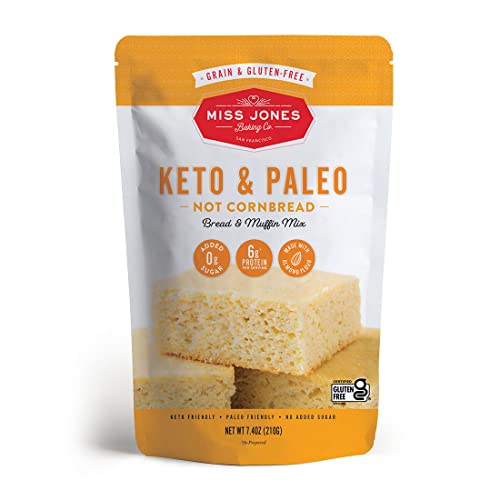
#6: Miss Jones Baking Keto Not Cornbread Muffin Mix – Gluten Free, Low Car…
Miss Jones Baking
Miss Jones Baking Keto Not Cornbread Muffin Mix – Gluten Free, Low Carb, No Sugar Added, Naturally Sweetened Desserts & Treats – Diabetic, Atkins, WW, and Paleo Friendly (Pack of 1)
Check Price on Amazon →From a metabolic standpoint, the mix’s 3 g net carbohydrate count per serving derives primarily from almond flour, a low‑glycemic, high‑monounsaturated fat source that attenuates post‑prandial glucose spikes. The absence of added sucrose and the inclusion of monk‑fruit extract provide sweetness without raising blood glucose, aligning with the carbohydrate‑restriction principles of both keto and diabetes management. Additionally, the gluten‑free formulation eliminates wheat proteins that can trigger intestinal inflammation in celiac or non‑celiac gluten sensitivity, supporting gut integrity and nutrient absorption. Clinically, this product is well‑suited for adults with type 2 diabetes who are following a low‑carb or ketogenic diet, as well as for patients with celiac disease or gluten intolerance. It also benefits athletes on a paleo regimen seeking a quick, portable carbohydrate source that won’t impair insulin sensitivity. The ready‑to‑mix format simplifies meal planning for busy individuals who need consistent carbohydrate control without sacrificing texture or flavor.
How to Choose the Best Best Gluten-Free Diabetic-Friendly Bread Brands: Doctor’s Buying Guide
What to Look For — A Doctor’s Perspective
Choose breads that list whole‑grain or legume flours (e.g., almond, soy, chickpea) as the first ingredient. These provide low‑glycemic carbohydrates and higher protein, which blunt post‑prandial glucose spikes. Avoid products with maltodextrin, refined rice starch, or added sugars, as they can rapidly raise blood glucose despite a “gluten‑free” label.
Verify that the brand carries third‑party certifications such as the Gluten-Free Certification Organization (GFCO) and, for diabetes, the American Diabetes Association’s “Diabetes Friendly” seal or an equivalent nutrient profiling score. These attest to rigorous testing for hidden gluten and to a nutrient profile that aligns with glycemic control goals.
Consider the bread’s texture and slice thickness. A denser crumb often means more fiber and protein, which improves satiety and glycemic response. However, overly hard slices may increase chewing effort and risk of dental trauma in patients with neuropathy or compromised oral health.
Check for allergens beyond gluten—soy, nuts, or seeds may be problematic for patients with food allergies or specific renal considerations. Also, confirm that the product is free of artificial preservatives and high sodium, which can exacerbate hypertension, a common comorbidity in diabetes.
Budget vs Premium: Clinical Differences
Budget options typically rely on rice flour and starches, offering fewer fibers and proteins, which may lead to higher post‑meal glucose excursions. Premium brands often incorporate nut or seed meals, soluble fibers (e.g., psyllium), and prebiotic fibers that modestly improve insulin sensitivity and gut health.
From a health‑outcome standpoint, the incremental cost of premium breads can translate into better glycemic stability and reduced cardiovascular risk markers over time.
Our Clinical Recommendation
Patients with well‑controlled diabetes and no additional dietary restrictions may find certified budget breads adequate if paired with protein and healthy fats. Those with tighter glycemic targets, hypertension, or heightened cardiovascular risk should prioritize premium, fiber‑rich, low‑sodium options.
Frequently Asked Questions About Best Gluten-Free Diabetic-Friendly Bread Brands
What should a beginner look for on the label when selecting a gluten‑free, diabetic‑friendly bread?
Prioritize breads that list total carbohydrate content (including fiber) per slice, aiming for ≤15 g net carbs. Verify a certified gluten‑free stamp, check for added sugars or maltodextrin, and note the presence of whole‑grain or seed ingredients that provide fiber and micronutrients.
Are there any safety or medical concerns specific to gluten‑free diabetic breads?
Some gluten‑free formulations rely on refined starches that can cause rapid glucose spikes despite a “low‑sugar” claim, so monitoring blood glucose after the first few servings is essential. Individuals with celiac disease must ensure the product is produced in a dedicated gluten‑free facility to avoid cross‑contamination.
How do I choose the right type of gluten‑free bread for my diabetes management?
Select breads with a low glycemic index, high soluble fiber (e.g., psyllium, oat bran), and minimal added sweeteners; those that incorporate legumes or seeds tend to blunt post‑prandial glucose excursions. Pair the bread with protein or healthy fat to further moderate blood sugar response.
What maintenance or usage tips help keep my blood sugar stable when eating gluten‑free bread?
Toasting or lightly toasting the bread can reduce moisture and slow carbohydrate absorption; always pair a slice with protein (egg, cheese) or healthy fat (avocado, nut butter). Rotate brands periodically to avoid nutrient gaps and track portion size—most breads are calibrated to one slice as a serving.
Our Final Verdict
Canyon Bakehouse Mountain White offers a nutritionally balanced, low‑glycemic option that aligns with both gluten‑free and diabetic dietary goals. Its high fiber content, minimal added sugars, and consistent carbohydrate count make it a reliable choice for glycemic control without sacrificing texture or taste.
Before adding any new product to your meal plan, verify current pricing on Amazon and discuss its suitability with your healthcare provider, especially if you have additional medical considerations such as celiac disease, insulin resistance, or medication adjustments.
Ready to Buy?
Check current prices on Amazon — deals change frequently.
🛒 View Our Top Pick on Amazon