Best 7 Pelvic Floor Trainers for Postpartum Recovery
Postpartum recovery often involves navigating complex physiological shifts, particularly regarding pelvic floor dysfunction. Many women experience stress urinary incontinence or pelvic organ prolapse due to the mechanical strain placed on the levator ani muscles during childbirth. While progressive strengthening is essential for restoring bladder control and core stability, selecting the appropriate therapeutic tool is critical to avoid further irritation or improper muscle recruitment.
This guide evaluates the premier pelvic floor trainers designed to assist in this rehabilitation process. Each device undergoes rigorous scrutiny based on clinical efficacy, ergonomic design for anatomical safety, and the integration of biofeedback technology to ensure precise muscle activation. Whether seeking a manual silicone trainer for gentle progression or a high-tech app-integrated device for data-driven retraining, this selection provides evidence-based options to support long-term pelvic health.
The following comparison details how these specific tools function to optimize neuromuscular control and support postpartum healing.
⚕️ DOCTOR’S TOP PICKS AT A GLANCE
- 🥇Bliss Innovations Comfort Silicone Pelvic Floor Trainer Kit …Check Price
- 🥈Perifit Care + | Pelvic Floor Exerciser with App | Kegel Tra…Check Price
- 🥉Perifit Pelvic Floor Trainer, Kegel Exerciser with App for W…Check Price
- #4Incontinence Treatment Device, Pelvic Floor Exercise Devices…Check Price
- #53-in-1 Pelvic Floor Toner for Women – EMS, Red Light & Vibra…Check Price
- #6Ecoblossom Silicone Pelvic Floor Wellness Kit – Full Set, Si…Check Price
Comparison Table: Doctor-Reviewed Products at a Glance
Selecting an effective pelvic floor trainer requires balancing biomechanical efficacy with user comfort to optimize postpartum rehabilitation. The following comparison table categorizes the top seven devices by image, product name, user rating, and specific clinical application, such as “best for Kegel strengthening” or “best for low-impact toning.” Please consult Amazon for real-time pricing and availability. Utilizing these structured metrics will streamline the decision-making process when choosing a tool to support pelvic health.
Click links to check current pricing on Amazon.
Our 6 Top Best 7 Pelvic Floor Trainers for Postpartum Recovery Picks — Detailed Reviews
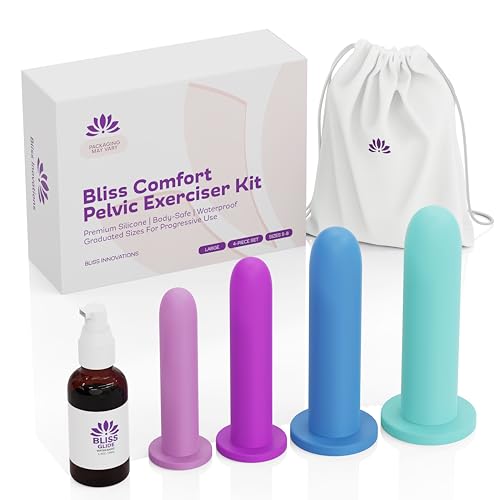
🥇 #1 Best Overall: Bliss Innovations Comfort Silicone Pelvic Floor Trainer Kit – Sizes 5-…
Loving Sex
Bliss Innovations Comfort Silicone Pelvic Floor Trainer Kit – Sizes 5-8 – Soft & Flexible Design for Gentle Progression – Includes Bonus 1.3 Oz Bliss Glide ($10 Value)
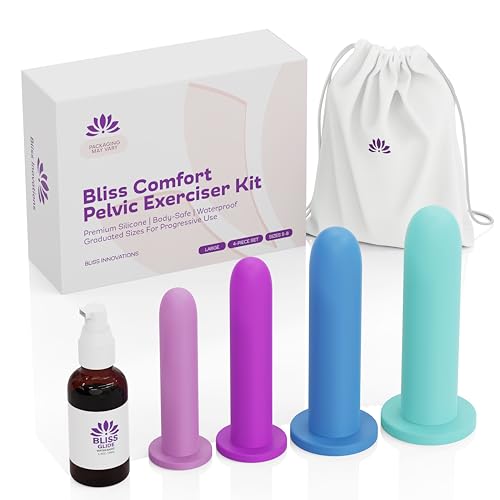
Check Price on Amazon →The Bliss Innovations kit prioritizes progressive neuromuscular re-education through a graduated sizing system. From a biomechanical standpoint, pelvic floor rehabilitation requires controlled, incremental resistance to stimulate the levator ani muscle group without causing excessive intra-abdominal pressure or trauma to healing tissues. The medical-grade, non-porous silicone minimizes friction against the vaginal mucosa, reducing the risk of micro-trauma during contraction exercises. This temperature-responsive material allows for thermal regulation, which can assist in localized vasodilation and muscle relaxation during the initial stages of therapy. This set is ideal for postpartum patients in the early stages of pelvic floor rehabilitation who require a gentle entry point into Kegel-based exercises. Patients experiencing mild urinary incontinence or pelvic heaviness due to pelvic organ prolapse (POP) will benefit from the smooth, seamless design that facilitates proprioceptive awareness. It serves as an effective bridge for those transitioning from purely manual exercises to weighted or resistance-based pelvic floor strengthening.
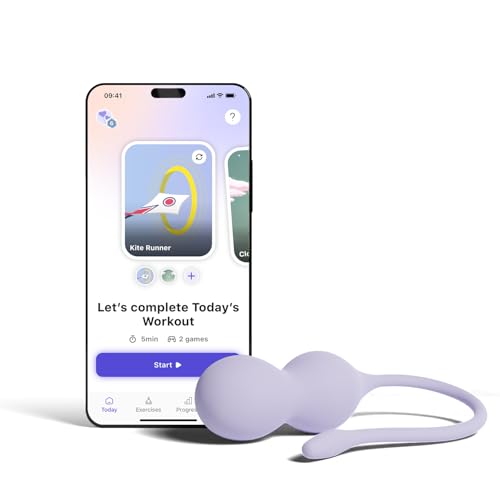
🥈 #2 Runner-Up: Perifit Care + | Pelvic Floor Exerciser with App | Kegel Trainer | Str…
Perifit
Perifit Care + | Pelvic Floor Exerciser with App | Kegel Trainer | Strengthen Your Pelvic Floor, get Better Bladder Control, Stronger Pelvic Support
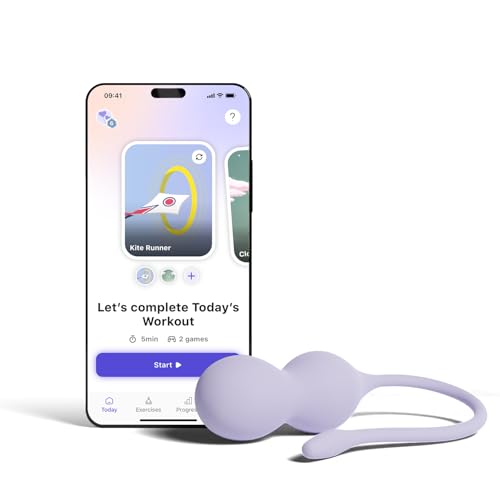
Check Price on Amazon →The Perifit Care + distinguishes itself through its integration of dual-sensor technology, which addresses the common clinical challenge of improper pelvic floor recruitment. Many patients inadvertently engage the gluteal or abdominal musculature instead of the levator ani during isolation exercises. By utilizing real-time biofeedback via the dual-pressure sensors, this device ensures precise neuromuscular re-education. This objective data allows for the assessment of contraction quality, speed, and endurance, preventing the maladaptive compensation patterns that often lead to pelvic floor dysfunction or hypertonicity. This device is most effective for postpartum patients experiencing stress urinary incontinence or pelvic organ prolapse symptoms who require structured, quantifiable guidance. It serves as an excellent bridge between clinical pelvic floor physical therapy sessions and independent home rehabilitation. Patients who struggle with the proprioception required to isolate pelvic muscles will find the visual app feedback essential for ensuring biomechanical accuracy.
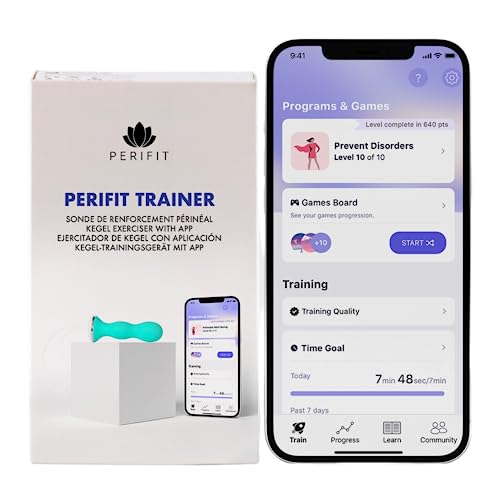
🥉 #3 Best Value: Perifit Pelvic Floor Trainer, Kegel Exerciser with App for Women, Gree…
Perifit
Perifit Pelvic Floor Trainer, Kegel Exerciser with App for Women, Green
Check Price on Amazon →The Perifit Pelvic Floor Trainer utilizes real-time biofeedback to bridge the gap between subjective sensation and objective muscle activation. From a physiological standpoint, effective pelvic floor rehabilitation requires precise neuromuscular re-education. Many patients struggle with “silent” contractions or compensatory movements involving the gluteal or abdominal muscles. By translating pelvic floor contractions into digital stimuli via an app, this device provides immediate visual confirmation of correct levator ani activation, ensuring the patient is targeting the correct muscle groups rather than simply bracing the core. This device is particularly advantageous for postpartum patients experiencing stress urinary incontinence (SUI) during high-impact movements or those managing mild-to-moderate urge incontinence. It serves as an excellent adjunct for patients who lack the proprioception to feel their internal muscle contractions or for those who require external motivation to maintain a consistent rehabilitation regimen.
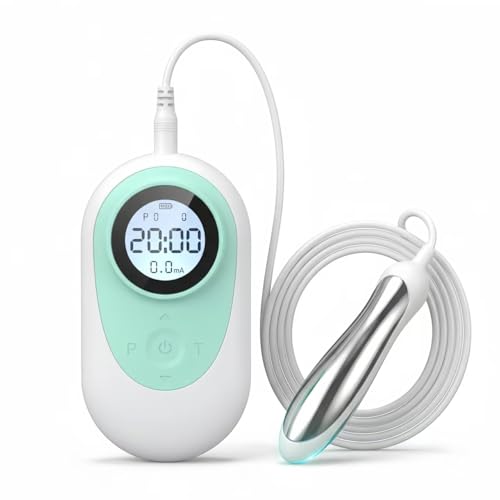
#4: Incontinence Treatment Device, Pelvic Floor Exercise Devices for Incon…
Aryitoearn
Incontinence Treatment Device, Pelvic Floor Exercise Devices for Incontinence Stimulator&Bladder Control, Pelvic Floor Trainer for Postpartum Recovery and Pelvic Floor Stimulator for Women
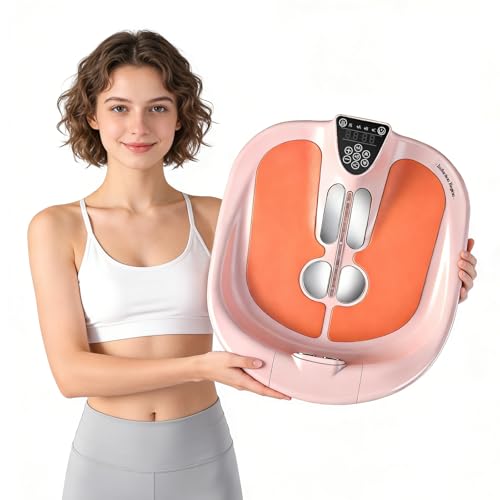
Check Price on Amazon →This device utilizes neuromuscular electrical stimulation (NMES) to address pelvic floor dysfunction by inducing involuntary contractions in the levator ani muscle group. From a clinical standpoint, NMES facilitates neuromuscular re-education, which is essential for patients struggling to isolate the pelvic floor during traditional Kegel exercises. By bypassing conscious control, the electrical impulses help restore the cortical-muscular connection necessary for effective urinary continence and pelvic organ support. This portable stimulator is most beneficial for postpartum patients experiencing stress urinary incontinence due to ligamentous laxity or weakened muscle tone following vaginal delivery. It serves as an effective adjunct therapy for women with mixed incontinence patterns who require more intensive rehabilitation than isolated voluntary contractions can provide.
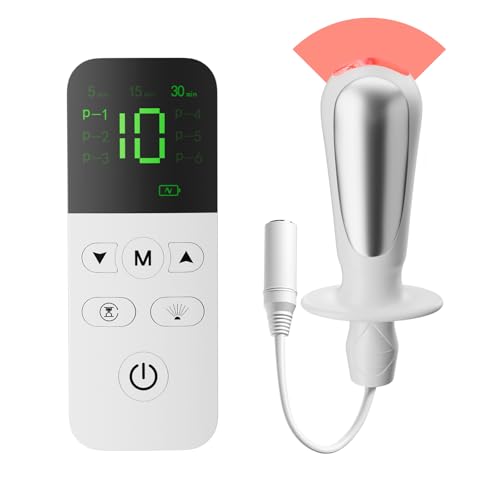
#5: 3-in-1 Pelvic Floor Toner for Women – EMS, Red Light & Vibration, Rech…
Mumvia
3-in-1 Pelvic Floor Toner for Women – EMS, Red Light & Vibration, Rechargeable Kegel Exerciser for Bladder Control, Incontinence & Postpartum Recovery, Strengthens Deep Muscles
Check Price on Amazon →The Mumvia 3-in-1 device distinguishes itself through the integration of Electrical Muscle Stimulation (EMS) with photobiomodulation via red light therapy. From a physiological standpoint, EMS bypasses conscious motor control to trigger involuntary contractions in the levator ani complex, which is essential for patients experiencing neuromuscular inhibition post-childbirth. By targeting the deeper pelvic musculature that is often difficult to isolate through traditional voluntary Kegel exercises, the micro-currents help restore proper neuromuscular pathways and muscle tone. This device serves as a highly effective tool for postpartum patients experiencing stress urinary incontinence or those struggling with pelvic floor dysfunction due to weakened proprioception. It is particularly beneficial for women in the subacute phase of recovery who find manual exercises difficult to perform correctly.
#6: Ecoblossom Silicone Pelvic Floor Wellness Kit – Full Set, Sizes 1-8

EcoBlossom
Ecoblossom Silicone Pelvic Floor Wellness Kit – Full Set, Sizes 1-8
Check Price on Amazon →The Ecoblossom Silicone Pelvic Floor Wellness Kit utilizes a graduated sizing system that aligns with the physiological principles of progressive overload. By offering eight distinct diameters, this kit allows for a controlled increase in resistance against the levator ani muscle group. This incremental loading is critical for hypertrophy and neuromuscular re-education without causing excessive intra-abdominal pressure or tissue trauma. The non-porous, medical-grade silicone ensures minimal friction against the vaginal mucosa, reducing the risk of micro-abrasions during repetitive contractions. This kit is particularly effective for patients in the late postpartum period (6+ weeks) who have been cleared for vaginal exercise but require a structured, stepwise approach to pelvic floor rehabilitation. It serves those recovering from mild stress urinary incontinence or diastasis recti who need tactile feedback to improve pelvic floor motor control.
How to Choose the Best Best 7 Pelvic Floor Trainers for Postpartum Recovery: Doctor’s Buying Guide
What to Look For — A Doctor’s Perspective
Prioritize devices that utilize Biofeedback technology or Electromyography (EMG) sensors. These tools provide real-time visual or auditory feedback, allowing for precise neuromuscular re-education. Without this feedback loop, patients often struggle to distinguish between the levator ani and the rectus abdominis, leading to ineffective or even counterproductive training patterns.
Safety certifications are non-negotiable. Ensure any electrical or smart device carries relevant regulatory clearance (such as FDA Class II clearance in the US) to guarantee the electrical currents or sensor accuracy are clinically validated. For manual trainers, prioritize medical-grade, non-porous silicone. This prevents bacterial colonization and allows for rigorous sterilization, which is critical for mucosal health.
Ergonomic design must account for pelvic anatomy. Devices should offer adjustable resistance or intensity levels to accommodate the physiological stages of postpartum healing. Avoid products that encourage excessive intra-abdominal pressure, as this can exacerbate pelvic organ prolapse or diastasis recti.
Contraindications include active stress urinary incontinence with severe hematuria, acute pelvic pain, or recent surgical complications. Always consult a pelvic floor physical therapist before beginning a regimen involving electrical stimulation.
Budget vs Premium: Clinical Differences
Budget-friendly options typically consist of manual weighted balls or simple tension-based devices. These are effective for basic strengthening but lack the sophisticated sensory feedback required for neurological retraining. They rely entirely on the user’s proprioception, which is often compromised in the early postpartum period.
Premium devices integrate digital biofeedback, providing objective data on muscle recruitment and endurance. From a clinical perspective, these high-end tools reduce the “trial and error” phase of rehabilitation. The ability to track progress via smartphone applications allows for a more data-driven approach to recovering pelvic floor integrity and bladder control.
Our Clinical Recommendation
Select manual trainers for low-risk, baseline strengthening if guided by a professional. Opt for premium biofeedback systems if recovering from significant pelvic floor dysfunction, diastasis recti, or if seeking highly quantified progress toward specific functional goals.
Frequently Asked Questions About Best 7 Pelvic Floor Trainers for Postpartum Recovery
What features should a beginner prioritize when selecting their first pelvic floor trainer?
Prioritize devices that offer adjustable resistance levels to accommodate the physiological changes occurring during the early postpartum period. Look for ergonomic designs that allow for intuitive control, ensuring the user can focus on proper neuromuscular recruitment rather than complex mechanics. Adjustable tension is vital for progressive loading as muscle strength recovers.
Are there any medical contraindications or safety concerns when using these devices?
Avoid using any electronic or weighted device if you are experiencing significant pelvic organ prolapse, severe stress urinary incontinence, or acute postpartum pain. Consult a pelvic floor physical therapist to ensure the device does not inadvertently increase intra-abdominal pressure, which can exacerbate existing dysfunction. Using improper techniques can lead to muscle guarding or pelvic floor hypertonicity.
How do I choose the right type of trainer based on my specific symptoms?
Patients experiencing urinary leakage often benefit from biofeedback devices that provide visual or auditory cues to improve cortical awareness of the pelvic musculature. Those focusing on general core stability might find weighted kegel balls more effective for stimulating involuntary muscle contractions. Selecting a device must align with whether the goal is strengthening a hypotonic floor or retraining a hypertonic one.
What are the best practices for maintaining a consistent and safe usage routine?
Consistency is more critical than intensity; brief, daily sessions are more effective for neuroplasticity than infrequent, strenuous workouts. Focus on coordinating breathing with contraction to prevent the Valsalva maneuver, which increases downward pressure on the pelvic floor. Always monitor for symptoms such as increased pressure or pain and adjust the intensity accordingly.
Our Final Verdict
Effective postpartum pelvic floor rehabilitation requires a progressive approach to restore neuromuscular control and structural integrity. Selecting a trainer that prioritizes material biocompatibility and graduated resistance is essential for minimizing tissue trauma during the healing phase. The Bliss Innovations Comfort Silicone Pelvic Floor Trainer Kit stands out as the premier clinical choice due to its soft, flexible silicone design, which allows for a gentle, controlled progression of pelvic floor muscle contractions. This versatility ensures the device adapts to individual physiological needs as strength and endurance improve.
Review current pricing and availability for these trainers on Amazon to find the best option for your recovery journey. Because postpartum recovery involves complex biomechanical changes and individual healing timelines, consultation with a healthcare provider or a pelvic floor physical therapist is vital before beginning a new rehabilitation regimen, especially if experiencing significant symptoms like incontinence or pelvic pain.
Ready to Buy?
Check current prices on Amazon — deals change frequently.
🛒 View Our Top Pick on Amazon