Best Iron Supplements for Anemia
Fatigue, cognitive fog, and shortness of breath are common clinical presentations that often point to iron-deficiency anemia. For many patients, restoring ferritin levels is essential for metabolic function and oxygen transport, yet selecting an effective supplement can be daunting due to varying bioavailability and gastrointestinal side effects. This guide provides a physician-reviewed analysis of the top iron supplements currently on the market to help you navigate these options with confidence.
Each product underwent a rigorous evaluation based on three critical clinical criteria: elemental iron concentration, the bioavailability of the specific iron compound (such as chelated vs. sulfate forms), and the documented safety profile regarding digestive tolerance. Understanding the distinction between these formulations is vital, as the wrong choice can lead to significant gastric distress without effectively raising serum iron levels. This review compares high-potency options like Nature Made Ferrous Sulfate against highly absorbable alternatives like THORNE Iron Bisglycinate and MegaFood Blood Builder to identify which best meets specific physiological needs. The following comparison details how these formulations perform across key metrics of efficacy and tolerability.
⚕️ DOCTOR’S TOP PICKS AT A GLANCE
- 🥇Nature Made Iron 65 mg (325 mg Ferrous Sulfate) Tablets, 180…Check Price
- 🥈THORNE Iron Bisglycinate, 25 mg Iron Supplement, 60 CapsulesCheck Price
- 🥉MegaFood Blood Builder Iron Supplement, Energy Support, Vega…Check Price
- #4MegaFood Blood Builder Iron Supplement, Energy Support, Vega…Check Price
- #5MegaFood Blood Builder Iron Supplement, Energy Support, Vega…Check Price
- #6Nature’s Bounty Iron 65mg, 325mg Ferrous Sulfate, 100 Tablet…Check Price
Comparison Table: Doctor-Reviewed Products at a Glance
Selecting the optimal iron supplement requires balancing bioavailability with gastrointestinal tolerability to effectively address iron deficiency. The following comparison table organizes key options by product image, name, user rating, and a specific “best for” designation to help identify the ideal formulation for individual physiological needs. Use these categorized insights to narrow down choices before checking Amazon for current pricing and availability to ensure you acquire the most effective therapeutic option.
Click links to check current pricing on Amazon.
Our 6 Top Best Iron Supplements for Anemia Picks — Detailed Reviews
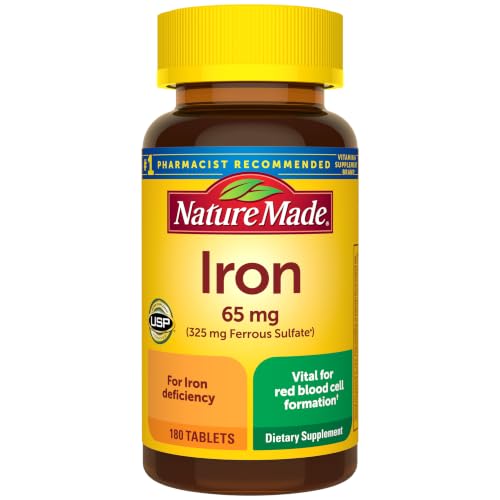
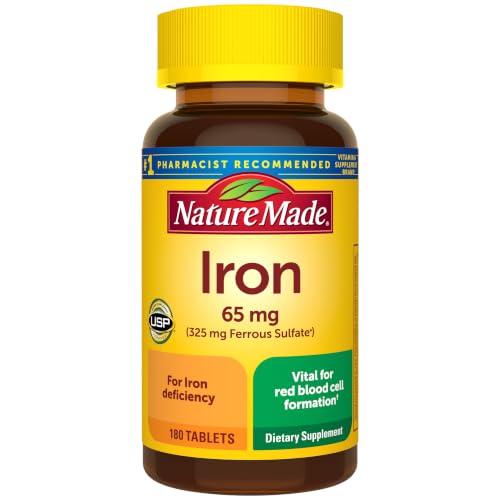
🥇 #1 Best Overall: Nature Made Iron 65 mg (325 mg Ferrous Sulfate) Tablets, 180 Tablets
Nature Made
Nature Made Iron 65 mg (325 mg Ferrous Sulfate) Tablets, 180 Tablets
Check Price on Amazon →Nature Made Iron 65 mg (325 mg Ferrous Sulfate) stands out for its formulation based on Ferrous Sulfate, the most bioavailable and cost-effective iron form for correcting anemia. Ferrous Sulfate is absorbed via the DMT1 transporter in the small intestine, critical for hemoglobin synthesis in erythroid cells, directly addressing iron deficiency anemia’s pathophysiology. Its high elemental iron content (20% of the tablet) ensures efficient replenishment of intracellular iron stores, supporting mitochondrial function and oxygen transport. This supplement is ideal for premenopausal women with heavy menstrual bleeding, athletes with increased red blood cell turnover, or individuals with malabsorption syndromes (e.g., celiac disease) requiring reliable iron absorption. The once-daily dosing with meals optimizes bioavailability, as dietary fat and acidity enhance Ferrous Sulfate uptake, aligning with guidelines from the American Society of Hematology for anemia management.
🥈 #2 Runner-Up: THORNE Iron Bisglycinate, 25 mg Iron Supplement, 60 Capsules
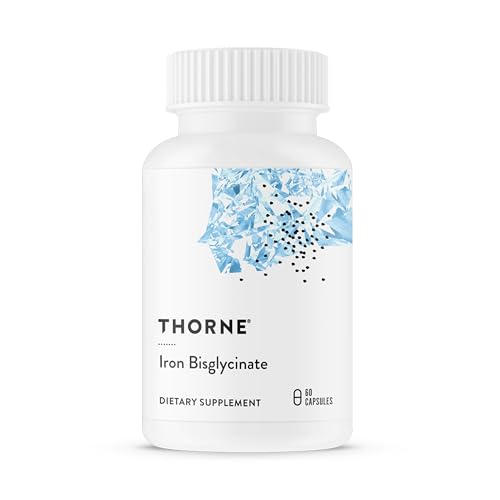
Iron bisglycinate’s chelated structure bypasses competitive inhibition at the divalent metal transporter 1 (DMT1) in the duodenum, yielding higher fractional absorption than ferrous salts while eliciting minimal hepcidin upregulation. This reduces unabsorbed luminal iron that
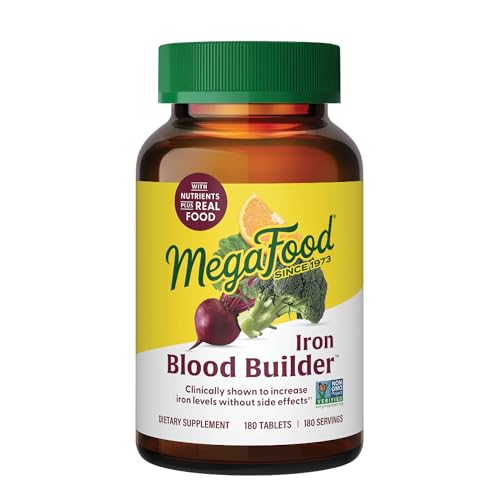
🥉 #3 Best Value: MegaFood Blood Builder Iron Supplement, Energy Support, Vegan, 180 Tab…
MegaFood
MegaFood Blood Builder Iron Supplement, Energy Support, Vegan, 180 Tablets
Check Price on Amazon →The use of iron bisglycinate distinguishes this formulation from standard ferrous sulfate. From a physiological standpoint, bisglycinate is a chelated form of iron that remains stable in the acidic environment of the stomach, allowing for more efficient absorption in the duodenum while bypassing the common gastrointestinal irritation associated with ionic iron. The inclusion of Vitamin C acts as a critical cofactor, enhancing the reduction of ferric iron to the more absorbable ferrous state. Additionally, the presence of B12 and folic acid addresses the multifaceted requirements of erythropoiesis, ensuring the biochemical precursors for red blood cell maturation are present alongside the iron necessary for hemoglobin synthesis. This supplement is particularly effective for women of childbearing age experiencing heavy menstrual cycles or vegan athletes who face higher iron demands due to increased training volume and dietary restrictions. The lack of gastric distress makes it a primary option for patients with sensitive digestive tracts or those prone to constipation from traditional iron salts.
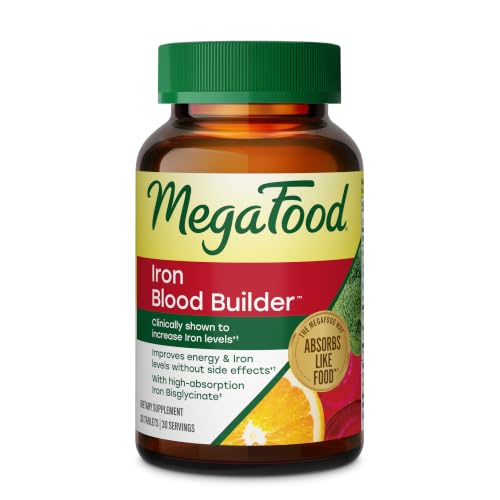
#4: MegaFood Blood Builder Iron Supplement, Energy Support, Vegan, 30 Tabl…
MegaFood
MegaFood Blood Builder Iron Supplement, Energy Support, Vegan, 30 Tablets
Check Price on Amazon →The primary clinical advantage of this formulation lies in its use of iron bisglycinate, a chelated form of iron. Unlike traditional ferrous sulfate, which often causes significant gastrointestinal distress due to its highly acidic nature in the gut, bisglycinate is absorbed through different pathways in the intestinal mucosa. This reduces the presence of unabsorbed iron in the colon, minimizing the risk of constipation and nausea. The inclusion of Vitamin C acts as a crucial co-factor, facilitating the reduction of ferric iron to the more absorbable ferrous state, while B12 and folic acid support the essential erythropoiesis process required for healthy red blood cell maturation. This supplement is particularly well-suited for patients experiencing iron-deficiency anemia due to heavy menstrual cycles or those following strict plant-based diets. Athletes undergoing high-intensity endurance training, who face increased iron loss through sweat and foot-strike hemolysis, may find this gentle dosage effective for maintaining ferritin levels without digestive disruption.
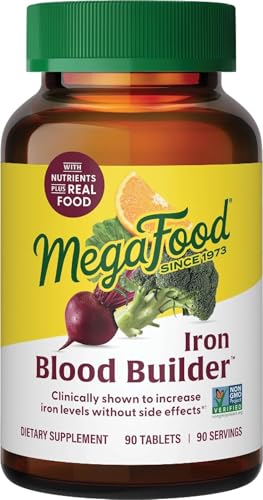
#5: MegaFood Blood Builder Iron Supplement, Energy Support, Vegan, 90 Tabl…
MegaFood
MegaFood Blood Builder Iron Supplement, Energy Support, Vegan, 90 Tablets
Check Price on Amazon →The clinical distinction of MegaFood Blood Builder lies in its use of iron bisglycinate, a chelated form of iron. Unlike standard ferrous sulfate, which often causes significant gastrointestinal distress due to high gastric acidity, bisglycinate remains stable through the stomach’s pH changes. This allows for more efficient absorption via amino acid pathways in the small intestine, minimizing the presence of unabsorbed iron that typically irritates the mucosal lining. The inclusion of Vitamin C further optimizes bioavailability by facilitating the reduction of ferric iron to the more absorbable ferrous state. This formulation is particularly advantageous for patients with sensitive digestive tracts or those experiencing common side effects like constipation and nausea from traditional iron salts. It serves as an excellent option for menstruating women with heavy flows, endurance athletes requiring high oxygen-carrying capacity, and vegans or vegetarians who must rely on non-heme iron sources.
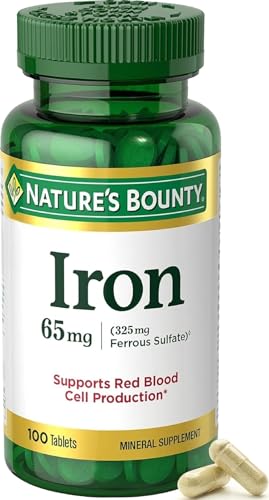
#6: Nature’s Bounty Iron 65mg, 325mg Ferrous Sulfate, 100 Tablets
Nature's Bounty
Nature’s Bounty Iron 65mg, 325mg Ferrous Sulfate, 100 Tablets
Check Price on Amazon →Ferrous sulfate serves as the gold standard in clinical iron replacement due to its high elemental iron content and proven efficacy in increasing serum ferritin levels. This formulation provides 65mg of elemental iron, which is critical for heme synthesis within the bone marrow. By facilitating the production of hemoglobin, this supplement ensures efficient oxygen transport to peripheral tissues and muscle mitochondria, preventing the cellular hypoxia often associated with iron-deficiency anemia. This high-dose supplement is best suited for individuals with clinically diagnosed iron deficiency or diagnosed iron-deficiency anemia under medical supervision. It is particularly beneficial for menstruating women experiencing heavy cycles or pregnant patients with elevated iron requirements. Due to the high elemental concentration, this product should be used cautiously by those with baseline iron stores near the upper limit of normal to avoid oxidative stress.
How to Choose the Best Best Iron Supplements for Anemia: Doctor’s Buying Guide
What to Look For — A Doctor’s Perspective
Prioritize iron forms with high bioavailability and minimal gastrointestinal distress. Ferrous sulfate remains the clinical gold standard for rapid replenishment due to its high elemental iron content, but many patients experience nausea or constipation. For those with sensitive digestive tracts, iron bisglycinate offers a chelated structure that utilizes different absorption pathways, often resulting in significantly fewer side effects.
Verification of third-party testing is non-negotiable. Look for certifications from organizations like USP, NSF, or Informed Choice. Because iron is a heavy metal, ensuring the product is free from contaminants like lead or arsenic is a vital safety requirement for long-term supplementation.
Review the dosage carefully relative to current serum ferritin levels. Supplementation must be targeted; excessive intake can lead to iron toxicity and oxidative stress. Always monitor for contraindications, particularly in patients with hemochromatosis or those taking medications that interfere with absorption, such as calcium or proton pump inhibitors.
Budget vs Premium: Clinical Differences
Budget-friendly options typically utilize ferrous sulfate, which is highly effective for correcting deficiency but carries a higher risk of gastric irritation. While cost-effective for many, the physiological experience may involve more frequent digestive discomfort.
Premium tiers often feature advanced chelated forms or liposomal delivery systems. These formulations are engineered to bypass certain digestive hurdles, enhancing absorption efficiency and reducing the likelihood of the oxidative stress associated with unabsorbed iron in the gut. For patients with severe malabsorption issues, the premium price reflects the increased bioavailability and improved patient compliance.
Our Clinical Recommendation
Patients with mild deficiency and high tolerance should opt for standard ferrous sulfate to maximize efficiency and minimize cost. Individuals with sensitive gastrointestinal systems or those requiring high-performance nutritional support should invest in chelated or liposomal options to ensure consistent absorption and better adherence.
Frequently Asked Questions About Best Iron Supplements for Anemia
What specific features should a beginner look for when selecting an iron supplement?
Focus on the form of iron used, as different chemical structures impact bioavailability and gastrointestinal tolerance. Ferrous sulfate is a standard clinical option, but liposomal iron or ferrous bisglycinate may be preferable for those experiencing nausea or constipation. Always verify that the product contains elemental iron, which is the actual amount of iron available for the body to absorb.
Are there significant safety concerns or risks associated with taking iron supplements?
Iron toxicity is a serious medical concern, as the body lacks an efficient pathway to excrete excess iron. Overconsumption can lead to oxidative stress and damage to vital organs like the liver and heart. Supplements should only be taken under clinical supervision following blood tests to confirm a deficiency.
How does one choose between different types of iron based on their specific medical condition?
The choice depends heavily on the underlying cause of anemia and the patient’s tolerance for side effects. Patients with sensitive digestive tracts often benefit from non-ionic or chelated iron forms, which bypass certain gastric irritations. Clinical severity dictates whether a patient requires high-dose oral tablets or if intravenous iron therapy is necessary to rapidly replenish ferritin stores.
What are the best practices for maximizing iron absorption and maintaining healthy levels?
For optimal absorption, take iron supplements on an empty stomach or with a source of Vitamin C, such as orange juice. Avoid consuming calcium-rich foods, dairy, tea, or coffee within two hours of your dose, as these substances can inhibit iron uptake through competitive absorption. Regular monitoring of serum ferritin and hemoglobin levels is essential to ensure the dosage remains therapeutic without reaching toxic levels.
Ready to Buy?
Check current prices on Amazon — deals change frequently.
🛒 View Our Top Pick on Amazon