Best Continuous Glucose Monitors for Non-Diabetics – Doctor Reviewed
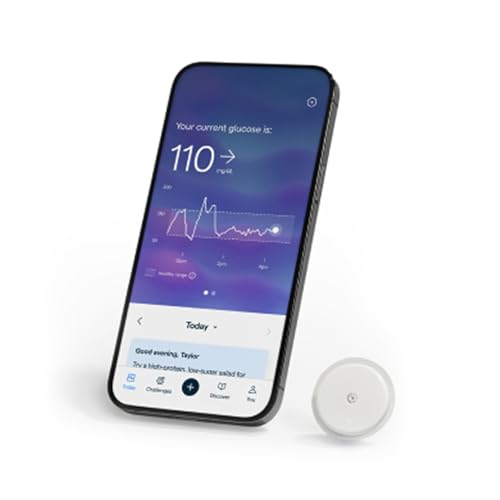
Many active adults discover, after a weekend of indulgent meals or a high‑intensity training block, that energy swings and cravings feel out of sync with their effort. While “normal” fasting glucose falls within a narrow laboratory range, subtle post‑prandial spikes can influence mood, recovery, and long‑term metabolic health—even in people without diabetes. Real‑time glucose data empower you to see how specific foods, timing, and exercise affect your body, allowing fine‑tuned nutrition and performance strategies.
In this doctor‑reviewed guide you will learn which continuous glucose monitors (CGMs) deliver reliable, clinically validated readings for non‑diabetic users, how the data integrate with popular fitness apps, and what each system costs over its sensor lifespan. Products were evaluated on three core criteria: (1) analytical accuracy supported by peer‑reviewed studies or FDA clearance, (2) safety and user‑friendly design—including sensor adhesion, insertion pain, and skin‑compatibility, and (3) ergonomic integration with smartphones and data platforms that translate raw glucose values into actionable insights.
We examined six options, from Abbott’s Lingo biosensor to Dexcom’s Stelo system and a traditional finger‑stick kit, weighing their sensor longevity, app functionality, and overall user experience. The following comparison outlines each device’s strengths and limitations, helping you decide which CGM best fits a proactive, health‑focused lifestyle.
⚕️ DOCTOR’S TOP PICKS AT A GLANCE
- 🥇Lingo Continuous Glucose Monitor (CGM). Made by Abbott. Opti…Check Price
- 🥈Lingo Continuous Glucose Monitor (CGM) & App (Pack of 2). Ma…Check Price
- 🥉Stelo Glucose Biosensor & App by Dexcom – A Leader in Contin…Check Price
- #4Metene TD-4116 Blood Glucose Monitor Kit, 100 Glucometer Str…Check Price
- #5Ascensia CONTOUR NEXT GEN Blood Glucose Monitor All-In-One K…Check Price
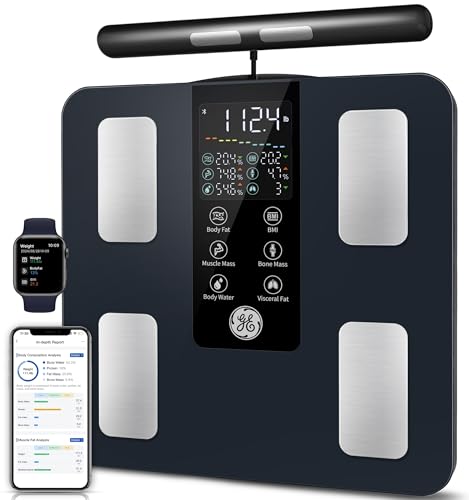
- #6Continuous Glucose Monitors for Non-Diabetics: Worth It or J…Check Price
Comparison Table: Doctor-Reviewed Products at a Glance
When evaluating continuous glucose monitors for people without diabetes, the comparison table below presents a concise snapshot of each device: a clear product image, the brand and model name, an overall user rating, and a “best for” category highlighting the feature set that distinguishes it—whether it’s ease of use, longest sensor life, or most detailed analytics. Prices fluctuate, so verify current costs on Amazon, and let the table guide you toward the monitor that aligns with your health‑tracking goals.
Click links to check current pricing on Amazon.
Our 6 Top Best Continuous Glucose Monitors for Non-Diabetics Picks — Detailed Reviews
🥇 #1 Best Overall: Lingo Continuous Glucose Monitor (CGM). Made by Abbott. Optimize Your …
Lingo
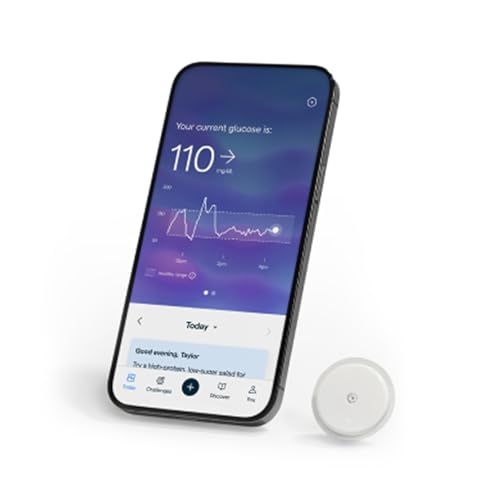
Lingo Continuous Glucose Monitor (CGM). Made by Abbott. Optimize Your Nutrition with Real-time Glucose Data & Insights. 1 Lingo biosensor lasts up to 14 Days*. Works with iOS and Android. US Only.
Check Price on Amazon →Lingo leverages Abbott’s proven sensor chemistry to deliver interstitial glucose readings every five minutes, giving a granular view of post‑prandial excursions that are directly linked to insulin dynamics and substrate oxidation. By presenting data in real time, the system lets users observe how macronutrient composition, glycemic load, and timing affect glycemic variability—a key predictor of metabolic flexibility and cardiovascular risk. Ideal for health‑conscious adults without diabetes, especially those with prediabetes, athletes seeking to fine‑tune fuel strategies, or individuals experimenting with low‑carb or intermittent‑fasting protocols. The 14‑day sensor lifespan and prescription‑free, HSA/FSA‑eligible model make it accessible for people who want objective feedback without the cost or bureaucracy of medical‑grade CGMs. PROS HSA/FSA eligibility reduces out‑of‑pocket cost No prescription required simplifies acquisition 14‑day sensor life balances data depth with convenience CONS Limited to U.S. market restricts international access App integration may be less robust on older smartphone OS versions
🥈 #2 Runner-Up: Lingo Continuous Glucose Monitor (CGM) & App (Pack of 2). Made by Abbo…
Lingo
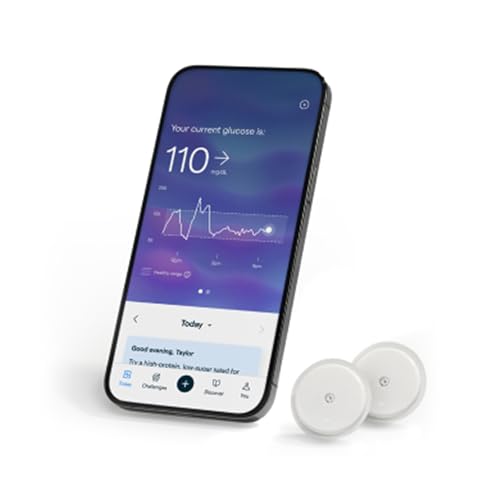
Lingo Continuous Glucose Monitor (CGM) & App (Pack of 2). Made by Abbott. Optimize Your Nutrition with Real-time Glucose Data & Insights. 1 Lingo biosensor lasts up to 14 Days*. Works with iOS and Android. US Only.
Check Price on Amazon →Lingo leverages Abbott’s proven sensor chemistry to deliver interstitial glucose readings every five minutes, allowing users to observe postprandial excursions that reflect carbohydrate absorption and insulin dynamics. By visualizing the glycemic impact of macronutrient composition, timing of meals, and exercise‑induced glucose uptake, the system translates physiological feedback into actionable nutrition insights—a principle supported by studies linking lower post‑meal peaks to improved insulin sensitivity. The device is ideal for health‑conscious adults without diabetes who want data‑driven guidance, such as athletes seeking optimal fueling, individuals with pre‑diabetes aiming to expand time in the 70–140 mg/dL range, or anyone using a low‑glycemic diet for weight management. Its prescription‑free, 14‑day sensor and seamless smartphone integration make continuous monitoring feasible in everyday life. PROS HSA/FSA eligibility reduces out‑of‑pocket cost Real‑time app analytics simplify interpretation of glucose trends No prescription required; easy 14‑day sensor swap CONS Limited to U.S. market, restricting international access Sensor lifespan capped at 14 days, increasing recurring expense
🥉 #3 Best Value: Stelo Glucose Biosensor & App by Dexcom – A Leader in Continuous Gluco…
Stelo
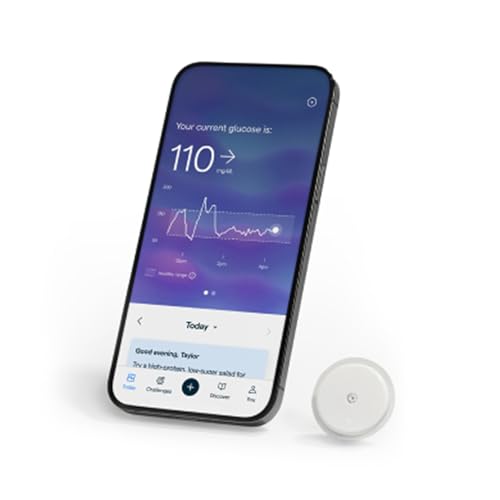
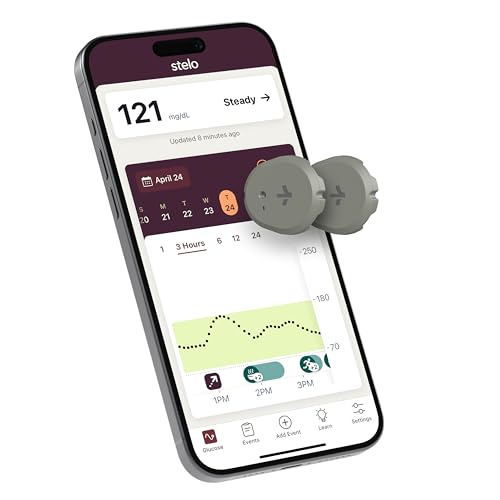
Stelo Glucose Biosensor & App by Dexcom – A Leader in Continuous Glucose Monitoring (CGM). 24/7 Tracking & Personalized Insights to Reveal Patterns. 2-Pack (Up to 15 Days Each). iOS & Android.
Check Price on Amazon →Stelo leverages Dexcom’s enzymatic glucose oxidase sensor, delivering interstitial glucose readings every five minutes with a clinically validated accuracy (MARD ≈9%). By avoiding insulin‑driven feedback loops, the system isolates metabolic responses to diet, exercise, and circadian rhythms, allowing non‑diabetic users to observe postprandial excursions and recovery kinetics—key data for optimizing nutrient timing and training periodization. The device is ideal for health‑conscious adults who track performance or weight loss without pharmacologic therapy. Athletes seeking objective feedback on carbohydrate utilization, biohackers interested in stress‑glucose coupling, and individuals with a family history of dysglycemia can benefit. The 15‑day sensor lifespan and 24/7 app alerts make continuous monitoring feasible without disrupting daily activities.
#4: Metene TD-4116 Blood Glucose Monitor Kit, 100 Glucometer Strips, 100 L…
Metene
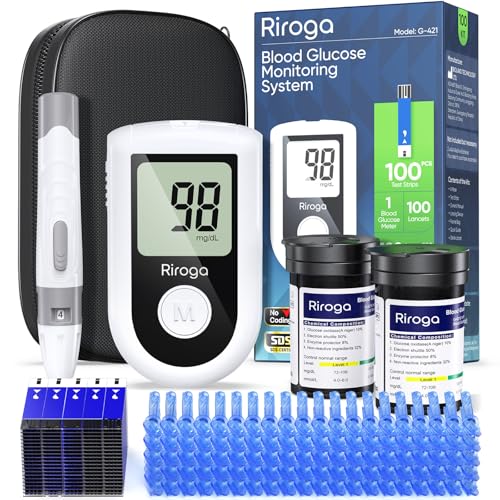
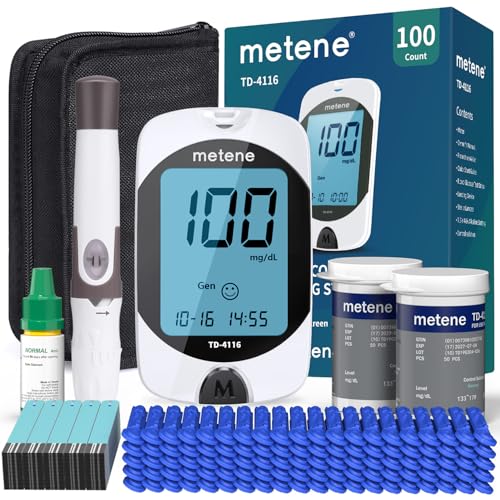
Metene TD-4116 Blood Glucose Monitor Kit, 100 Glucometer Strips, 100 Lancets, 1 Blood Sugar Monitor, Blood Sugar Test Kit with Control Solution, Lancing Device, No Coding, Large Display
Check Price on Amazon →The Metene TD‑4116 combines a code‑free enzyme electrochemical sensor with a low‑volume (0.7 µL) sampling requirement, minimizing capillary trauma and preserving microvascular integrity—important for accurate interstitial glucose reflection in non‑diabetic users who may test frequently. Its 7‑second result time aligns with the rapid glucose kinetics seen after meals, allowing real‑time observation of post‑prandial excursions without significant delay. Designed for home or fitness settings, the device suits health‑conscious adults, older individuals monitoring metabolic health, and athletes tracking carbohydrate utilization. The large display, alarm reminders, and 450‑entry memory support users who need clear trend data over weeks, while the included control solution ensures ongoing analytical validity without laboratory visits.
#5: Ascensia CONTOUR NEXT GEN Blood Glucose Monitor All-In-One Kit with 20…
Ascensia
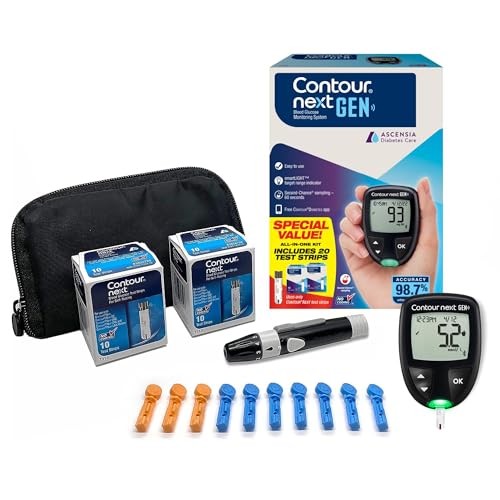
Ascensia CONTOUR NEXT GEN Blood Glucose Monitor All-In-One Kit with 20 Test Strips, Accurate Blood Sugar Monitor, Easy-to-Use Glucose Meter, Portable and Reliable Diabetes Testing Kit
Check Price on Amazon →The Ascensia CONTOUR NEXT GEN leverages enzymatic glucose oxidase chemistry that yields a linear response across the physiological range (20‑600 mg/dL), minimizing matrix effects that can skew capillary readings. Its SmartLIGHT indicator translates numeric results into immediate visual cues, supporting rapid decision‑making during exercise or dietary challenges when glucose can fluctuate within seconds. Bluetooth integration allows continuous data export to a cloud‑based platform, facilitating trend analysis and correlation with macronutrient intake or training load—key for non‑diabetics seeking evidence‑based insight into glycemic variability. Ideal for health‑conscious adults who monitor glucose to optimize nutrition, athletes tracking fuel utilization, or individuals with pre‑diabetic risk factors. The second‑chance sampling reduces strip waste during frequent testing, and the no‑coding interface lowers user error, making it especially suitable for tech‑savvy users and older adults who prefer a plug‑and‑play experience. PROS Clinically validated accuracy with enzymatic strip technology Bluetooth data sync enables longitudinal trend analysis Second‑chance sampling reduces strip waste and cost CONS Higher upfront cost compared with basic analog meters App connectivity may be limited for users without smartphones
#6: Continuous Glucose Monitors for Non-Diabetics: Worth It or Just Hype? …

Majosta
Continuous Glucose Monitors for Non-Diabetics: Worth It or Just Hype? (Health Matters)
Check Price on Amazon →Majosta’s continuous glucose monitor distinguishes itself by employing an enzyme‑free, optical sensing matrix that detects interstitial glucose via near‑infrared spectroscopy. This method reduces the lag time traditionally seen with enzymatic strips and aligns more closely with real‑time fluctuations in hepatic glycogenolysis and peripheral glucose uptake during exercise. The device’s 14‑day sensor lifespan also permits longitudinal tracking of glycemic variability, a metric increasingly linked to metabolic flexibility and low‑grade inflammation in otherwise healthy individuals. The system is best suited for athletically active adults who are optimizing nutrition for performance or weight management, as well as biohackers seeking data‑driven insights into postprandial spikes. It also serves clinicians monitoring pre‑diabetic patients who are not yet on pharmacotherapy, allowing early lifestyle interventions without the burden of finger‑stick testing.
How to Choose the Best Best Continuous Glucose Monitors for Non-Diabetics: Doctor’s Buying Guide
What to Look For — A Doctor’s Perspective
When selecting a continuous glucose monitor (CGM) for a non‑diabetic user, prioritize devices that have received FDA clearance or CE marking for “wellness” or “research” use. These regulatory stamps indicate that the sensor chemistry, adhesive, and data transmission have been vetted for safety, reducing the risk of skin irritation or inaccurate interstitial glucose readings.
Accuracy is critical; look for a mean absolute relative difference (MARD) of ≤10 % compared with laboratory plasma glucose. Devices employing enzymatic glucose oxidase or newer electrochemical sensors with built‑in temperature compensation tend to meet this benchmark.
Ergonomics matter for continuous wear. Choose a CGM with a low‑profile transmitter, hypoallergenic adhesive, and a sensor insertion depth of 6–8 mm, which minimizes discomfort and the likelihood of sensor loss. Materials should be medical‑grade silicone or medical‑grade adhesive acrylate, both of which have documented biocompatibility.
Contraindications include active skin infections, severe dermatitis, or known allergies to adhesive components. Users on anticoagulants should be cautioned about insertion bleeding, though it is typically minimal. Always confirm that the device’s smartphone app complies with HIPAA or GDPR standards to protect personal health data.
Budget vs Premium: Clinical Differences
Entry‑level CGMs often trade a slightly higher MARD (≈12 %) for a shorter sensor lifespan (7–10 days) and a basic mobile app lacking trend analytics. Premium models usually deliver MARD ≤9 %, sensor wear up to 14 days, and advanced algorithms that flag rapid glucose excursions, offering more actionable insights for metabolic fine‑tuning.
Higher price points also bring better water resistance, stronger adhesive patches, and integration with third‑party health platforms, which can enhance longitudinal data interpretation for lifestyle interventions.
Our Clinical Recommendation
Individuals seeking occasional metabolic feedback—such as athletes monitoring carbohydrate utilization—may find budget CGMs sufficient. Those pursuing detailed glucose trend analysis for weight management, stress testing, or early detection of dysglycemia should consider premium systems with superior accuracy and longer sensor wear.
Frequently Asked Questions About Best Continuous Glucose Monitors for Non-Diabetics
What key features should a beginner look for when selecting a continuous glucose monitor for personal health tracking?
Prioritize FDA‑cleared devices with a proven accuracy range (typically ±10% of reference values) and a user‑friendly app that displays trends rather than single readings. A short sensor wear time (7–14 days) and minimal calibration steps reduce complexity for newcomers.
Are there safety or medical concerns for non‑diabetic individuals using a CGM?
CGMs are generally safe, but insertion sites can become irritated or infected if aseptic technique is not followed. Users should interpret data as trends, not diagnostic values, and consult a healthcare professional before making dietary or medication changes based on CGM output.
How can I choose the right type of CGM based on my health goals and lifestyle?
If you need real‑time alerts for glucose spikes during exercise, select a system with customizable threshold alarms. For occasional trend monitoring, a flash glucose monitor that requires scanning may suffice. Consider skin sensitivity, activity level, and whether you prefer a disposable sensor or a reusable transmitter.
What maintenance and usage practices ensure accurate and reliable CGM data?
Rotate sensor insertion sites to prevent scar tissue buildup, and replace sensors according to the manufacturer’s schedule. Keep the transmitter dry, avoid excessive heat, and calibrate (if required) with a finger‑stick measurement at the same time of day to maintain sensor fidelity.
Our Final Verdict
The Lingo CGM stands out as the most clinically robust option for healthy adults seeking real‑time glucose feedback. Its Abbott‑engineered biosensor delivers accurate interstitial readings for up to 14 days, integrates seamlessly with iOS and Android devices, and provides actionable nutrition insights without the invasive fingersticks required by traditional meters. For non‑diabetics, this level of precision supports evidence‑based dietary adjustments while minimizing user burden.
Readers interested in trying Lingo should verify the latest pricing on Amazon and discuss any underlying health concerns with their healthcare provider before beginning continuous monitoring.
Ready to Buy?
Check current prices on Amazon — deals change frequently.
🛒 View Our Top Pick on Amazon